


The Rise of Better-for-You Snacks for Busy Lifestyles
Modern life rarely follows a predictable schedule. Between work commitments, family responsibilities, exercise, travel, and social plans, finding time to prepare every meal can be challenging. For many people, snacks have become an important part of managing busy days, helping bridge the gap between meals without requiring a lengthy break or a fully equipped kitchen.
But convenience is no longer the only consideration. Today's consumers are paying closer attention to ingredients, nutritional information, portion sizes, and the way different foods fit into their routines. Instead of choosing whatever happens to be available, more people are looking for snacks that align with their preferences, whether that means higher protein, fewer added sugars, plant-based ingredients, or options that are easy to carry while travelling.
This shift has helped expand the market for better-for-you snacks, from nuts and yogurt to roasted legumes, fruit, whole-grain products, and meat snacks. The result is a wider range of choices for people who want convenient food without overlooking what they are eating.
Why Convenient Snacking Has Become Part of Everyday Life
Busy schedules can make traditional meal patterns difficult to maintain. Someone working through a long afternoon may need something between lunch and dinner, while a traveler might spend several hours moving between meetings, airports, or destinations. Parents may also need portable options for school runs, extracurricular activities, and family outings. Snacks can provide a practical solution in these situations. Their role depends on the individual, the timing of meals, and overall dietary needs. For some people, a snack is a small addition to a balanced eating pattern. For others, it may be a more substantial option when a full meal is temporarily unavailable.
Convenience also involves more than speed. Foods that require refrigeration, utensils, or preparation may be unsuitable for certain situations. Shelf-stable products, individually packaged portions, and foods that can be eaten without preparation are often easier to manage during travel or long working days.
However, convenience alone does not determine nutritional quality. A packaged snack can contain substantial amounts of added sugar, sodium, or saturated fat, while a simple food such as fruit, nuts, or plain yogurt may provide useful nutrients with relatively little preparation. The growing interest in better-for-you snacking reflects a practical challenge: finding foods that are easy to access, enjoyable to eat, and compatible with individual nutritional goals.
What Does Better-for-You Actually Mean?
The phrase "better-for-you" does not have one universal nutritional definition. It is commonly used to describe products positioned as alternatives to conventional snacks, but whether a particular food is a suitable choice depends on its ingredients, nutritional composition, and the person's needs.
For one consumer, a better option might contain more protein. Another may prioritize fiber, lower added sugar, fewer highly processed ingredients, or a specific dietary requirement. Someone managing their sodium intake may have different priorities from a person looking for a portable source of energy during a long hike. This is why reading nutrition labels is more useful than relying on front-of-package claims alone. Terms such as "natural," "low carb," and "high protein" communicate particular characteristics, but they do not automatically establish that a product is nutritionally superior in every respect.
The Nutrition Facts label provides information about serving size, calories, protein, carbohydrates, fats, sodium, and other nutrients. The ingredients list can help shoppers identify added sugars, allergens,, and ingredients they prefer to limit. It is also important to compare products using similar serving sizes. One snack may appear lower in sugar or sodium simply because its stated serving is smaller. Looking at both the serving size and the amount consumed provides a clearer picture.
Ultimately, better-for-you snacking is less about finding a single perfect product and more about choosing foods that suit a person's dietary preferences, practical circumstances, and overall eating pattern.
Protein-Rich Snacks for Long Days
Protein has become a prominent feature of the snack aisle, appearing in products ranging from yogurt and cheese to nut mixes, protein bars, and meat snacks. This interest reflects the role protein plays in normal body functions, including maintaining and repairing body tissues. Protein-containing snacks can be useful when someone wants a more substantial option between meals. However, the amount needed varies according to factors such as age, body size, activity level, and overall diet. A product marketed as a high-protein snack is not automatically the best choice for everyone.
There are several ways to include protein in a convenient eating routine. Greek yogurt, hard-boiled eggs, nuts, roasted chickpeas, cheese, and appropriately stored cooked foods are common examples. Shelf-stable products can be particularly practical when refrigeration is unavailable, although storage instructions should always be followed.
Meat snacks, including beef jerky, offer another portable option. They are often sold in compact packages and generally do not require preparation. Their nutritional profiles vary, so checking protein content alongside sodium, added sugars and serving size is worthwhile. Pairing different foods can also make a snack more varied. For example, whole fruit with nuts or vegetables with hummus provides a combination of food groups rather than relying on a single packaged product. The most practical snack is one that fits the situation while contributing appropriately to the person's broader diet.

The Appeal of Low-Carbohydrate Snack Options
Carbohydrates are found in many everyday foods, including bread, grains, fruit, legumes, and dairy products. They are also present in ingredients such as sugar, honey, and certain syrups used in packaged snacks. Some consumers deliberately choose lower-carbohydrate products because they follow a ketogenic diet or another eating pattern that limits carbohydrate intake. Others simply prefer snacks that contain less sugar. These are different goals, and the distinction matters when comparing products. A ketogenic diet is designed to restrict carbohydrate intake sufficiently to encourage the body to produce and use ketones as an alternative fuel source. The carbohydrate allowance varies by individual and dietary plan, so a snack that fits one person's approach may not fit another's.
For packaged foods, the total carbohydrate amount is a useful starting point. Shoppers should also consider fiber, sugar alcohols, and serving size when relevant. Calculations of net carbohydrates are commonly used by some people following low-carbohydrate diets, but product labeling and individual approaches to these calculations can differ.
Low-carbohydrate claims should not be confused with an overall assessment of nutritional quality. A product may contain few carbohydrates while still being high in sodium, saturated fat, or calories. Comparing the complete nutrition label helps consumers make a more informed choice. As interest in low-carbohydrate eating continues to influence food shopping, a wider selection of snacks makes it easier for consumers to compare products and choose those that suit their preferences.
Keto Beef Jerky as a Portable Snack Option
For people looking for a savory, portable snack, Keto beef jerky is one option worth considering. Beef jerky is made from beef that is seasoned and dried to reduce its moisture content, creating a compact product that is generally shelf-stable when packaged and stored according to the manufacturer's instructions.
Its protein content and carbohydrate levels depend on the product. Some varieties use relatively simple seasoning, while others contain sugar, honey, sweet sauces, or other ingredients that increase the carbohydrate content. As a result, not every beef jerky product is suitable for a ketogenic diet. Consumers following a low-carbohydrate eating plan should check the nutrition label rather than assuming that all jerky is keto-friendly. Total carbohydrates per serving, added sugars, and the amount actually eaten are especially relevant.
Ingredients such as certain sweeteners and marinades can make a meaningful difference between products. Sodium is another consideration. Salt is commonly used in jerky production, and some products contain substantial amounts. Anyone monitoring sodium intake should compare labels and consider how the snack fits into their overall diet.
Portion size also deserves attention. Jerky is concentrated because much of the water has been removed during processing, so a relatively small package can provide a meaningful amount of protein and energy. Checking the stated serving size helps avoid misleading comparisons with foods that contain more water.
The practical appeal is straightforward: packaged beef jerky can be carried in a work bag, backpack, or travel kit without the preparation required for many fresh snacks. It may suit road trips, outdoor activities, and busy workdays, provided the product is stored and handled according to its packaging instructions. For shoppers who enjoy savory snacks, the best choice is one that meets their carbohydrate preferences while also fitting their needs for sodium, portion size, and overall nutrition.
Plant-Based Snacks Are Expanding the Choices
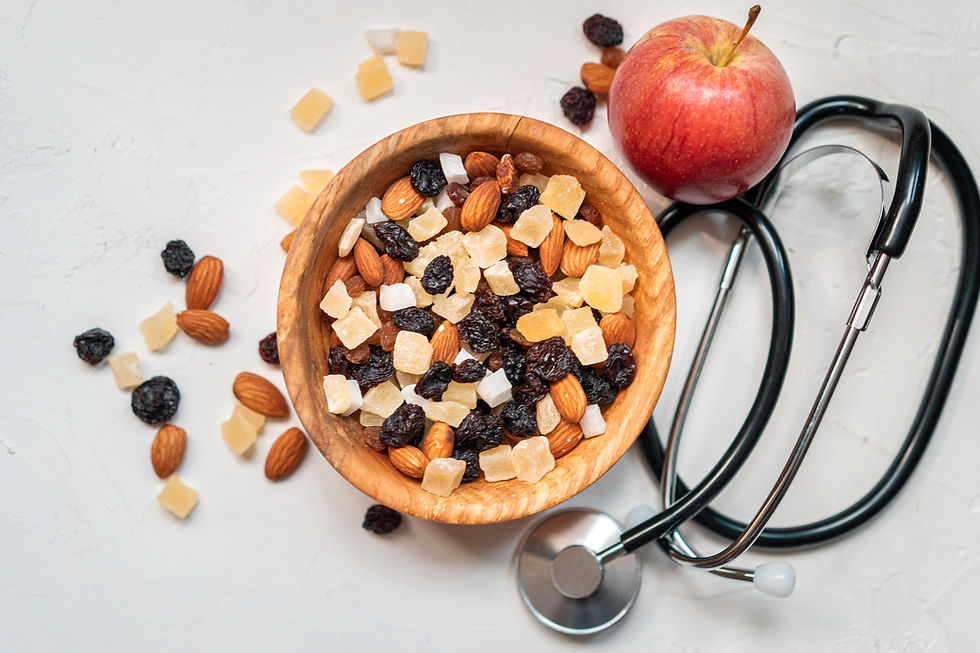
Better-for-you snacking is not limited to animal-based products. Plant-based foods offer a range of convenient options, including nuts, seeds, roasted chickpeas, edamame, fruit and vegetable snacks. Nuts and seeds contain protein and unsaturated fats, although they are also energy-dense. Fruit provides carbohydrates and, depending on the type, fibre and various vitamins. Legumes such as chickpeas contain protein and fibre, making them useful ingredients in many snack products.
Plant-based packaged snacks can also vary considerably. Roasted legumes may be seasoned with salt, sugar, or oils, while fruit snacks may contain added sweeteners or differ substantially from whole fruit in their composition. The ingredient list and nutrition label remain useful tools regardless of whether a product is plant-based.
For people who prefer variety, alternating between different snack types can help avoid relying on the same food every day. It also makes it easier to accommodate different situations, from a quick bite at a desk to something more substantial before an outdoor activity. Dietary preferences are personal, and there is no requirement for every snack to follow the same nutritional formula. A combination of convenient packaged foods and minimally processed options can provide flexibility.
Smarter Snacking While Travelling
Travel introduces challenges that can make snack planning especially useful. Airport terminals, long drives, sightseeing schedules, and delayed connections may limit access to preferred foods. Having a few suitable options available can reduce the need to make rushed choices when hunger strikes.
Shelf-stable foods are often convenient for these situations. Depending on individual preferences and storage requirements, options might include nuts, whole fruit that travels well, crackers, dried fruit, packaged meat snacks, or selected nutrition bars.
Travellers should consider the length of the journey, access to drinking water, storage temperatures, and any dietary requirements. Foods that require refrigeration should not be left at unsafe temperatures for extended periods.
Packaged products should be checked for storage instructions, especially after opening. Air travel also requires some advance planning. Food items may be subject to security screening, customs restrictions or import rules, particularly when travelling internationally. Meat products can face specific restrictions when crossing national borders, so travelers should check the applicable requirements before packing them.
For road trips and outdoor excursions, a small selection of snacks can provide flexibility without taking up much space. Reusable containers may be useful for foods that need protection from crushing, while insulated bags can help keep perishable items at appropriate temperatures. The goal is not to pack every possible contingency. It is to choose a few practical options that fit the journey and the traveller's needs.

Reading Labels Without Overcomplicating the Process
Nutrition labels can appear complicated when several products make different claims. A simple comparison process can make shopping more manageable. Start with serving size, then compare the nutrients most relevant to your needs. This might include protein, total carbohydrates, added sugars, fibre, sodium or saturated fat. Checking the ingredient list can clarify whether a product contains sweeteners, allergens or other ingredients you want to avoid.
It is also useful to consider the food as a whole rather than focusing on a single number. A snack with more calories is not necessarily a poorer choice if it is intended to be more substantial. Similarly, a low-sugar product may not be the most suitable option if it does not meet other dietary preferences. Health-related marketing language should be interpreted carefully. Words such as "fit," "clean" or "guilt-free" do not replace specific nutritional information. A product's suitability depends on its actual composition and how it fits into an individual's eating pattern.
Consumers with food allergies, intolerances, or medical dietary requirements should pay particular attention to ingredient declarations and relevant allergen information. When necessary, guidance from a qualified healthcare professional or registered dietitian can help translate general nutrition information into individual recommendations. A few consistent habits can make label comparisons quicker over time, allowing shoppers to focus on the characteristics that matter most to them.
Building a Flexible Snacking Routine
A practical snacking routine does not need to be rigid. Different days call for different choices, and a person's appetite may change with activity, meal timing, and other circumstances. One approach is to keep a small selection of options available at home, at work, or in a travel bag. This might include fresh foods when refrigeration is available and a few shelf-stable products for unexpected schedule changes.
Planning also makes it easier to avoid choosing snacks solely because they are immediately available. Someone who prefers higher-protein foods can identify suitable options in advance, while a person following a low-carbohydrate diet can compare products before leaving home.
It is equally important to recognize that snacks do not need to replace balanced meals. They can complement an overall eating pattern, but nutritional needs are best considered across the day rather than judged by one product in isolation. Variety, appropriate portions, and attention to individual needs are more useful long-term principles than following every new trend in the snack aisle.
A More Thoughtful Approach to Everyday Convenience
The rise of better-for-you snacks reflects a broader shift in how consumers approach convenience. People want options that travel easily, fit busy schedules, and align with personal dietary preferences without requiring extensive preparation.
From protein-rich foods and plant-based alternatives to lower-carbohydrate products, the expanding selection offers more ways to make informed choices. Yet packaging claims and popular trends should not replace careful consideration of ingredients, nutrition information, and portion sizes. For consumers who enjoy savory options, keto beef jerky may provide a convenient choice when its carbohydrate content and other nutritional characteristics fit their needs. For others, fruit, yogurt, nuts, or plant-based snacks may be more appropriate. No single product needs to suit everyone.
The most useful approach is to understand what a snack provides, consider how it fits into the rest of the diet, and choose options that make everyday routines easier to manage. With a little planning and a closer look at labels, convenient snacking can become a practical part of a busy lifestyle without losing sight of individual nutritional goals.