


Teaching the Next Generation of Nurse Practitioners: What South Florida Clinicians Should Know Before Taking a Student
Miami runs on a particular kind of energy. Mornings start early on the water, dinners run late in Wynwood, and the people who keep the city healthy often work through both. If you're a nurse practitioner, physician assistant or physician here, your calendar is probably already packed.
So it's fair to ask why anyone in that position would add a student to the mix. The answer has more to do with the future of local health care than with your to-do list. Every nurse practitioner treating patients today completed hundreds of supervised clinical hours under a working clinician. Those hours don't happen without someone willing to teach.
This guide walks through what precepting involves, why the need is growing, and what clinicians can expect to earn. If you've wondered whether it's worth your time, here's a clear look at the trade-offs. For the basics on how placements work and how to become a preceptor, Clinical Match Me, a preceptor placement service operating since 2014, lays out the process on one page.
What a Preceptor Actually Does
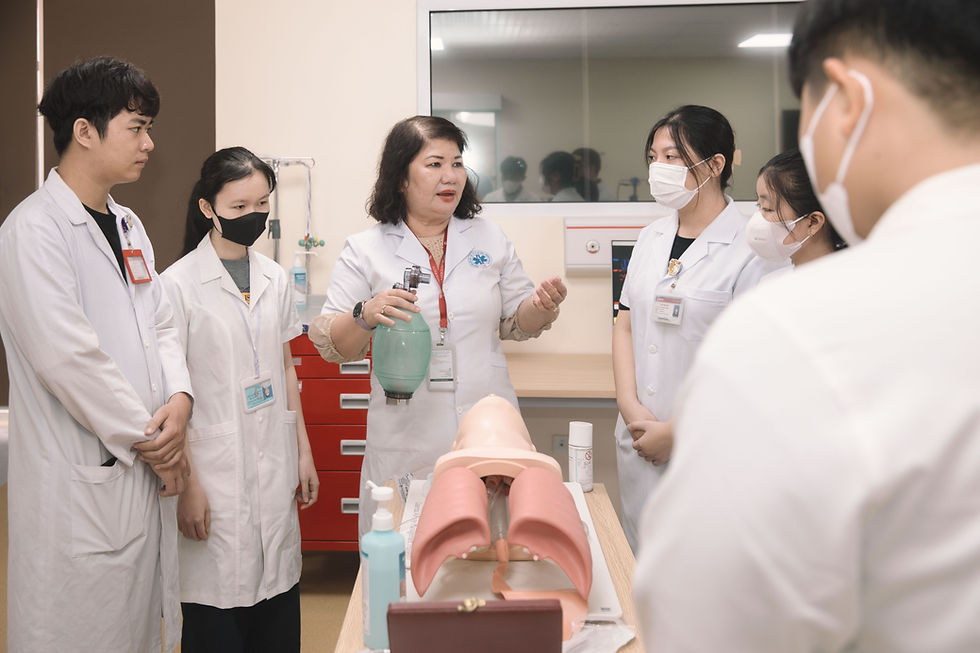
A preceptor is a licensed clinician who supervises a student during hands-on clinical training. The student shadows you at first, then takes on more responsibility as you both get comfortable. You're not writing lectures or grading papers. You're doing your job, with a learner beside you.
Many students work toward a set number of clinical hours for each course, which are often called rotations. A rotation might run a semester. During that time, the student sees patients with you, practices taking histories and builds the judgment that no classroom can teach.
You stay in charge of patient care the whole time. Your name stays on the chart, and your standards set the tone. A good preceptor explains the reasoning behind a decision, then lets the student try the next one.
The Day-to-Day Rhythm
Early in a rotation, expect to talk through nearly everything out loud. Why this lab? Why this medication and not another? That narration slows a visit down a little, but it's also how students learn.
By the midpoint, many students handle the intake and a first draft of the assessment on their own. You review, adjust and add what experience has taught you. By the end, the best students feel less like trainees and more like junior colleagues.
Who Can Precept
Nurse practitioners are the most common preceptors for NP students, but they aren't the only ones. Physicians and physician assistants also teach NP students, depending on the program's requirements. Your school or the student's program sets the specifics, and the paperwork between the school and your practice is part of the process.
Why the Need Is Growing
Demand for nurse practitioners is climbing fast. The Bureau of Labor Statistics projects employment for nurse practitioners to grow 41 percent from 2025 to 2035, far faster than the average for all occupations (Bureau of Labor Statistics). The same page lists a median annual wage of $132,300 as of May 2025.
That growth shows up in the workforce numbers, too. The American Association of Nurse Practitioners counted more than 461,000 licensed NPs across the country in its 2025 tally, roughly a 7 percent increase over the previous count (AANP).
Those NPs matter to everyday care. AANP reports that NPs complete nearly 1 billion patient visits every year, and that practices with NPs are more likely to serve rural and low-income areas (AANP). Miami may not look rural, but plenty of neighborhoods across South Florida face the same questions about access, language and distance to care.
Shortage Areas Are Real, Even in a Big City
The federal Health Resources and Services Administration designates Health Professional Shortage Areas to help direct limited resources to communities with the greatest need (HRSA). Those designations cover primary care, dental health and mental health.
A large metro area can hold both world-class hospitals and pockets where patients wait weeks for a visit. More nurse practitioners help close that gap. But more nurse practitioners only happen when there are enough clinicians willing to train them.

The Bottleneck Nobody Sees
Here's where the story gets personal for local clinicians. NP programs are growing, and students need clinical placements to graduate. Finding those placements has become one of the toughest parts of the journey.
A 2021 article in the Online Journal of Issues in Nursing described the problem plainly. Many graduate programs lack a network of preceptors, so students are left reaching out to anyone who might agree. The authors also point to a California survey in which only 277 of 1,430 responding NPs reported that they precept students (OJIN).
The same article explains why many clinicians hesitate. Employers can see students as a drag on productivity, since teaching can mean longer visits and fewer patient encounters in a shift. Contracts that tie pay to productivity make that tension sharper.
Those are real concerns, and they deserve straight answers. Let's take them one at a time.
Common Concerns, Honestly Addressed
"I Don't Have the Time"
Teaching does add something to your day, especially in the first weeks. But the load usually lightens as the student gains confidence. Once a student can handle intake and a draft assessment, many preceptors find they save time on documentation.
You also control how many students you take and when. You can precept one student for one rotation and see how it feels. There's no requirement to commit to a full year.
"My Employer Might Say No"
This one is common, and it's worth raising early. Many practices and health systems have formal affiliation agreements with schools, and some require approval before a student can join a clinic. Ask your practice manager or medical director before you commit.
Some clinicians find employers more receptive when the arrangement includes compensation that reaches the practice. Preceptors can often route the honorarium to the practice or keep it personally, depending on what works for them.
"I'm Worried About Liability"
Students work under your supervision, and the affiliation agreement between the school and your practice spells out coverage. Confirm those details before the rotation starts. A reputable school or placement service will walk you through the paperwork.
"What If the Student Isn't a Good Fit?"
Not every pairing works. That's normal, and it's why it helps to review a student's goals and background before you say yes. Good matches share a few things, like compatible schedules, a specialty overlap and clear expectations on both sides.
What Preceptors Earn
Precepting has long been treated as a favor to a colleague. The OJIN authors describe paying preceptors as a hotly debated question in academic circles, and many clinicians reasonably expect compensation for the time they invest.
Pay varies by arrangement, and some placement services pay an honorarium for each rotation. As a preceptor through the placement service, you'd earn $1,000+ per rotation, and each preceptor sets their own terms with students.
Students typically pay a flat $1,995 for rotations up to 250 hours, and that student fee funds the preceptor's honorarium. The preceptor never sends a bill to the student, and the student never has to hand a separate check to the clinician.
To put that figure in context, think about what a rotation asks of you. You're teaching a handful of hours a week for a semester. The honorarium recognizes that effort and the knowledge you bring.

Beyond the Honorarium
The honorarium isn't the only reason clinicians say yes. Here's what many describe as the quieter rewards.
Fresh eyes on your practice. Students ask questions that make you re-examine habits.
A hiring pipeline. A student who's trained in your clinic already knows your workflows and your patients.
Professional credit. Some employers and certification bodies count precepting toward professional development, so check what applies to you.
Giving back. Many clinicians can name a mentor who shaped them. Precepting lets you become that person.
How Placement Works for Clinicians
If you decide to give it a try, the path is simpler than many expect. Preceptors create a profile that lists their specialty, location and availability. Students submit placement requests with their requirements, and preceptors review those requests and send offers to the students who fit.
You approve every student you take. When a student accepts your offer, you have a match. The honorarium is paid when the rotation starts.
The service has matched more than 10,000 students with preceptors. Students pay only after they accept a preceptor's offer.
Choosing Students Who Match Your Practice
The best placements start with clear expectations. Before you accept, look at the student's specialty focus, their clinical hours and their schedule. A family practice preceptor works well with a family NP student. A mismatch in goals can frustrate both people.
Ask a few direct questions before the rotation begins.
1. What are your learning goals for this rotation? 2. What have you already done in clinic, and what's still new? 3. How much independence are you ready for in the first two weeks? 4. What does your school expect from me, and when?
Five minutes of honest conversation up front prevents most of the awkwardness later.
Making Time Work in a Busy Practice
A few habits help the rotation run smoothly, even on a packed schedule.
Start with a short orientation. Show the student your electronic record, your scheduling flow and where supplies live. Fifteen minutes on day one can save hours across the semester.
Set a daily check-in. Even five minutes at the end of a shift gives the student a chance to ask questions and gives you a chance to reflect.
Build in teaching moments. Rather than stopping the clinic for a lecture, use real cases. Why did the lab come back high? How would you adjust the plan? That kind of coaching fits inside a normal day.
Finally, give honest feedback early. A student who hears a correction in week two grows faster than one who hears it in week twelve.
Wellness for the Teacher, Too
Clinicians in a city as vibrant as Miami know the value of recovery. Between long shifts and long drives on I-95, it's easy to let your own health slide. A student can help here too. Explaining your reasoning out loud sharpens thinking, and a learner's curiosity can bring back some of the spark that routine wears down.
Brain health matters in the long run as well. Miami Living Magazine recently explored how learning another language may help keep your brain healthy as you age, and teaching works in a similar spirit. Explaining a concept to someone new keeps your own thinking active.
Skin health deserves a mention in a sun-soaked city, too. If your own routine includes protection from the Florida sun, the magazine's feature on how Coolibar is redefining sun protection, skin health and anti-aging offers a useful read between patients.
Is Precepting Right for You?
Here's a simple way to decide. Ask yourself three questions.
Do you enjoy explaining your clinical thinking to someone newer to the field?
Can your practice support a student for a defined stretch of time?
Would an honorarium for that effort make the arrangement easier to say yes to?
If you answered yes to two of the three, precepting is probably worth a closer look. Start small, with a single rotation. You'll learn quickly whether the rhythm suits you, and you can decide about the next one later.
A Few Final Thoughts
South Florida's population keeps growing, and so does the number of people who need a provider they can reach. The pipeline that supplies those providers runs straight through clinics like yours. Each student you teach becomes a clinician who may one day care for your neighbors, your parents or you.
That's a meaningful legacy for a few hours a week. It's also a decision you can make on your own terms, with your own schedule and your own limits.
If you're curious, talk to your employer, ask a colleague who's precepted and read up on how the process works. Then take the next step at a pace that suits you. The students are ready, and the patients are counting on them.