


Legal Rights Every Motorcycle Accident Victim Has

Image by DepositPhotos
Motorcycle accidents in Fort Lauderdale often lead to severe injuries due to the lack of rider protection. Data shows about 15% of riders will be involved in an accident at some point, with thousands of crashes reported across Florida each year. These incidents frequently result in traumatic brain injuries, spinal damage, fractures, road rash, and internal injuries that require extensive treatment. Fatality risks for motorcyclists remain significantly higher than for occupants of standard vehicles.
Victims have important rights after a crash, including the ability to seek compensation for medical bills, lost income, rehabilitation, and pain and suffering. Those pursuing motorcycle accident law with Blakeley often need strong documentation and evidence to support their claims. Claims may involve negligent drivers or other responsible parties. Careful handling of insurance communication and timely action can help protect compensation and support recovery after a serious accident.
The Right to Seek Medical Care
Every injured rider has the right to a prompt medical evaluation after a collision. Early assessment can detect concussion, internal bleeding, spinal strain, or soft tissue damage before symptoms fully surface. Timely treatment also connects the physical harm to the crash through records, imaging, and physician notes. That medical trail often becomes central when an insurer questions the severity, timing, or the need for future care.
The Right to Learn Liability Rules
Florida fault rules can affect recovery when blame is shared, so a victim benefits from learning how roadway conduct, visibility, and rider behavior may be judged after impact. Many people review issues through a motorcycle accident lawyer, while also gathering crash reports, scene images, treatment files, helmet damage, and witness details that help explain the following:
What happened
Who failed to use reasonable care
How the injuries changed daily function
The Right to Gather Evidence
A rider may collect proof that supports the claim and protects the medical story. Useful material includes police reports, repair invoices, emergency records, torn clothing, phone photos, and names from bystanders. Nearby cameras can also capture lane position, signal use, or sudden turns. Strong documentation helps show how the collision occurred and why the resulting harm deserves full consideration during settlement talks.

Image by DepositPhotos
The Right to Fair Insurance Treatment
Insurance carriers must review a claim fairly and in good faith. An injured person may submit records, answer necessary questions, and expect a serious evaluation without pressure tactics. Fast offers can arrive before nerve pain, mobility loss, or surgical needs are fully known. Careful review matters because early numbers may leave out the following:
Future therapy
Missed income
Long-term limits on ordinary activity
The Right to Recover Economic Losses
A victim may seek payment for direct financial harm tied to the crash. Covered losses can include ambulance transport, hospital care, surgery, rehabilitation, prescriptions, wage loss, and motorcycle repairs or replacement. Future treatment may count when doctors expect additional procedures or lasting symptoms. If physical restriction reduces earning ability, that reduced capacity can become part of the claim with proper medical and employment support.
The Right to Seek Non-Economic Damages
Bills show part of the damage, but serious injury reaches further than receipts. Florida law may allow recovery for pain, emotional distress, scarring, reduced mobility, disability, and loss of normal routine. Broken bones, brain trauma, and nerve injury can affect sleep, mood, concentration, and family roles for a long time. Clinical notes and daily observations can help show that human impact with needed detail.
The Right to Legal Representation
An injured rider has the right to retain legal counsel at any stage. Representation can help with evidence review, claim valuation, insurer contact, settlement discussions, and court filings when needed. That support matters in cases involving severe trauma, disputed fault, or large financial loss. It can also ease strain on recovery by allowing the injured person to focus on treatment, rest, and follow-up care.
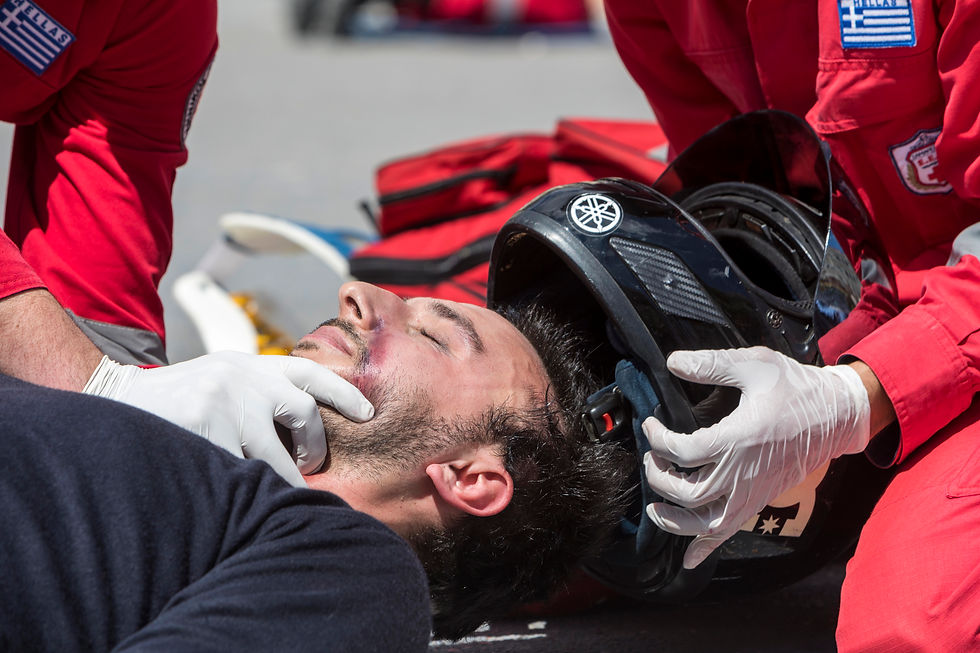
Image by DepositPhotos
The Right to File Before Deadlines
Time Limits Matter
Legal deadlines can control whether a victim keeps the right to pursue compensation. Those filing dates depend on case facts, involved parties, and whether formal litigation becomes necessary. Delay can also weaken proof because surveillance footage may disappear, and witness memory often fades. Acting early helps preserve records, locate observers, and keep a valid claim from failing over avoidable timing mistakes or missing documentation.
The Right to Refuse a Fast Settlement
No victim must accept the first settlement offer. Early proposals often arrive before physicians can define the full extent of orthopedic injury, chronic pain, or future care needs. Once a release is signed, additional payment may be unavailable even if symptoms worsen later. Taking time allows a fuller review of treatment plans, work limits, and lasting physical change before any final decision is made.
Conclusion
Motorcycle accident victims hold legal rights that protect both health and financial stability after a violent crash. Those rights include access to medical care, fair claim handling, evidence collection, legal guidance, and compensation for visible and less visible harm. When used early, each protection strengthens the next step in the case. A well-documented claim gives an injured rider a stronger chance to recover losses and regain daily balance.