


Judgement of Paris at 50: How a 1976 Tasting Reshaped Wine and Design
Fifty years after the Judgement of Paris blind tasting in 1976, the event remains a reference point for how a single moment can change global perceptions of wine quality.
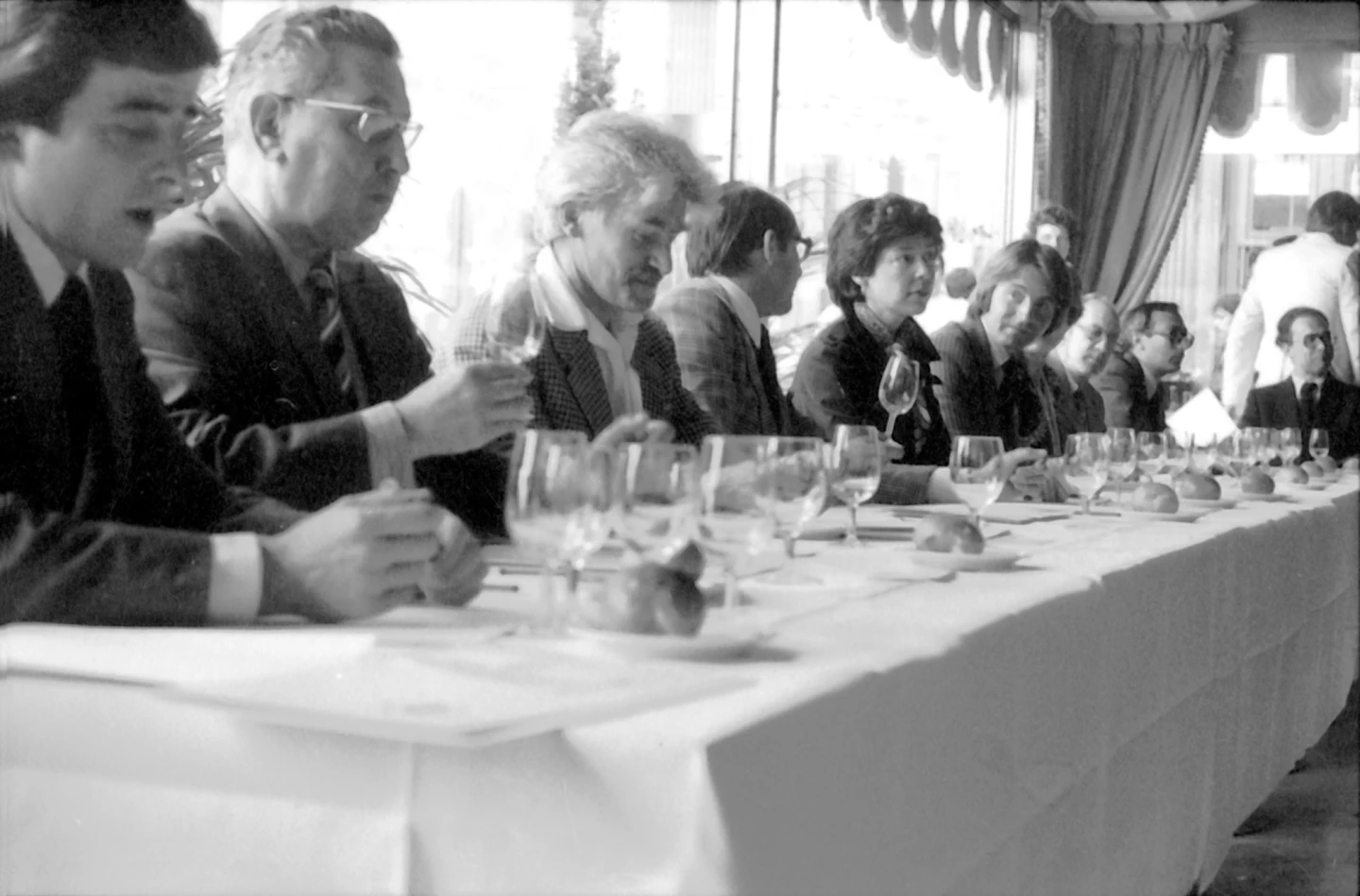
At the time, French producers from Bordeaux and Burgundy were widely regarded as the unquestioned standard for fine wine, while serious winemaking in California was still emerging. The Judgement of Paris, organized in Paris by British wine merchant and educator Steven Spurrier, brought leading French wines into a blind tasting against bottles from Napa and Sonoma, with French judges evaluating each wine without knowing its origin.

When Californian wines unexpectedly scored ahead of their French counterparts, the results initially drew little attention. The turning point came when journalist George Taber reported the outcome in a brief Time magazine article titled “Judgement of Paris,” which alerted winemakers and collectors to the scale of the upset. The tasting has since been credited with accelerating the rise of California as a major wine region and continues to influence how producers and buyers assess quality, value, and the role of blind tasting in the market.
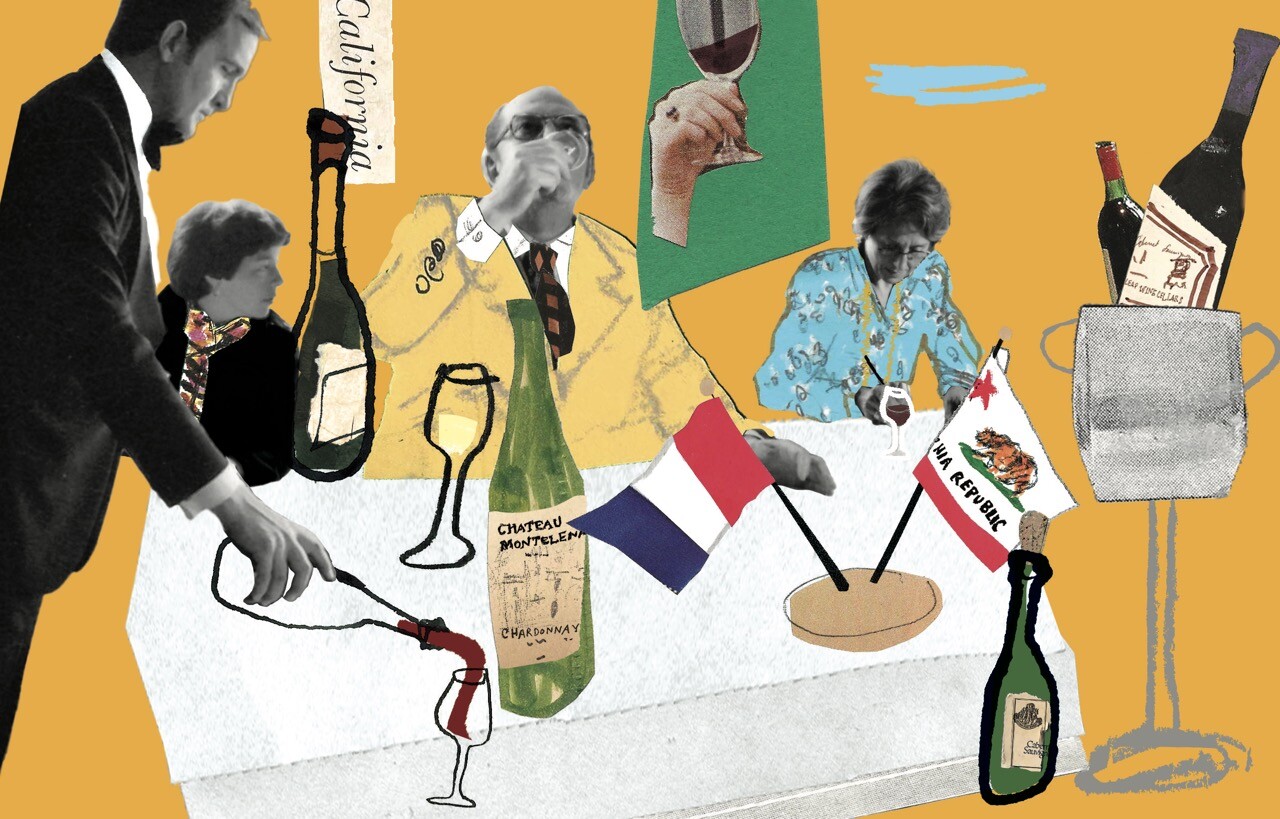
The legacy of that 1970s disruption also echoes in contemporary design, including in the latest work of Ilaria Icardi, womenswear director at Prada and founder of her own jewelry line. Her new collection, Series 05, draws on 1970s aesthetics and personal family history, reinterpreting the era’s bold forms and materials for today’s collectors and reinforcing how creative innovation from that decade continues to shape both wine culture and luxury design.
Readers can explore more on the historical impact of the Judgement of Paris and the evolution of collecting through Sotheby’s editorial coverage at Sotheby’s online.