


From Heritage to Now: Joseph Ribkoff CEO on Redefining a 70-Year Fashion Brand
Miami Living spoke with Stephen Belfer, CEO of Joseph Ribkoff, the Canadian fashion house with nearly seven decades of global presence, about the brand’s evolution at a pivotal moment. The company is entering a new phase focused on refining its product vision and building a more direct relationship with the modern consumer, while preserving the heritage that defines it.

Q: You’ve stepped into the CEO role at a legacy brand, what were the first three structural or strategic changes you prioritized, and why?
A: Since stepping into the role, I have focused on three priorities: the team, the product, and the customer because those are ultimately the engines of any brand.First, I wanted to ensure we had the right team structure and mindset in place. Heritage brands often carry a lot of history internally, which is a strength—but it can also slow decision-making and change. We are working on simplifying operations, streamlining technology and aligning everyone around a clearer, more modern vision of the brand.
Secondly, the product because at the end of the day, everything starts there. We went back to defining what makes our product distinctive—how it fits, how it feels, how it moves through a woman’s life. The focus has been on elevating quality and design through new brand expressions and capsules while making the collection more cohesive and intentional. The goal is to increase wardrobe utility and commercial durability.
Thirdly, we are putting our customer at the center of everything moving forward. Historically, we have been a B2B wholesaler and we are starting to shift that mindset to the end consumer as we are launching our ecommerce channel this summer. We are evolving our brand voice, our storytelling, and how we show up visually to feel more relevant to a modern, digitally savvy woman—while still honouring the woman who’s been with us and loyal for years.


Q: Joseph Ribkoff has a strong heritage equity, where did you see the biggest disconnect between brand perception and actual market opportunity?
A: We’re a global brand, present in 62 countries with 35 showrooms and over 3,500 wholesale partners—an incredible foundation built over nearly 70 years. But historically, we’ve been a relatively quiet brand, and the opportunity now is to evolve from a bit of a hidden gem into one with much stronger awareness and relevance, particularly as we expand into direct-to-consumer through e-commerce and retail.
For me, the biggest disconnect has been between the strength of our brand equity and how broadly we’ve been distributed. That scale is a real asset, but at that level of distribution you inevitably lose some control over how the brand is presented and experienced. As a result, while awareness exists, it hasn’t always translated into true desirability—which is critical at a premium price point.
What we’re focused on now is being much more intentional across every touchpoint: curating the product more tightly, elevating how and where the brand shows up, and building a more direct relationship with the end consumer through digital, social, and our e-commerce. The goal isn’t to reduce reach, but to elevate it—because distribution builds awareness, but marketing builds meaning, and we need both to unlock the next phase of growth.

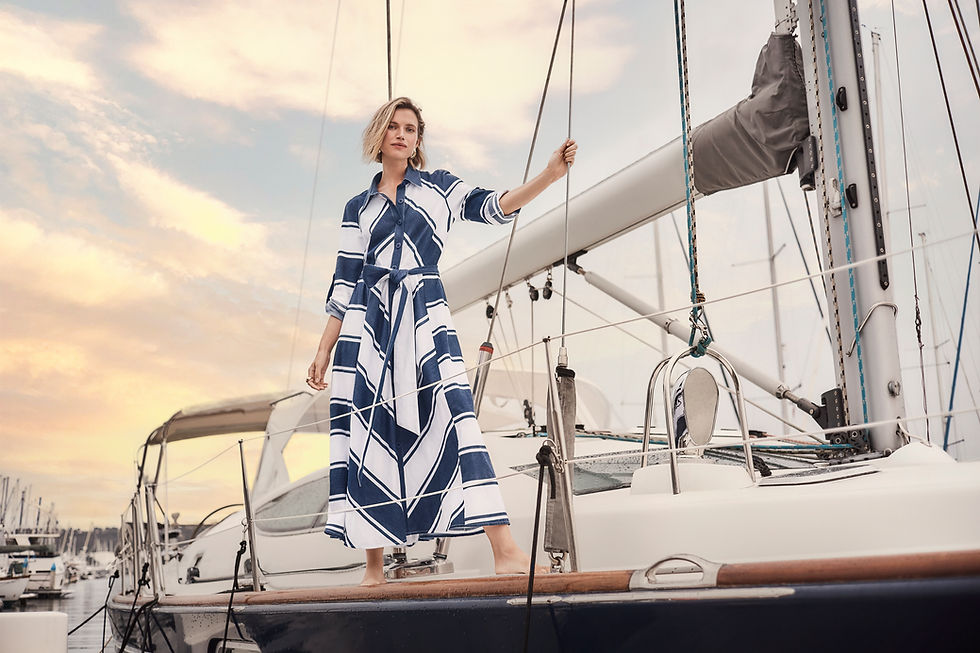
Q: Many heritage fashion brands struggle to modernize without alienating their core customer, how are you evolving Joseph Ribkoff’s identity without losing its base?
A: At Joseph Ribkoff, we’re very clear that this is about evolution, not reinvention. The brand has decades of heritage, craftsmanship, and a deeply loyal customer base, and those are real strengths we want to build on—not move away from.
What we’re doing is holding onto the core elements that define us: exceptional fit, inclusive sizing, and the versatility and ease of the product—while evolving how we express the brand. That means modernizing our visual identity, refining the product assortment, and showing up in a way that feels more current and relevant to a digitally savvy, style-conscious woman. At the same time, we’re expanding how we reach her, particularly through digital and e-commerce, so we can build a more direct and meaningful relationship. The key is balance, continuing to serve the customer who already trusts us, while presenting the brand in a way that invites a new generation in.
Q: You’ve led across retail, e-commerce, wholesale, and operations - where do you believe most fashion CEOs underestimate complexity today?
A: I think the complexity most fashion CEOs underestimate today is how interconnected every part of the business has become. In an omnichannel world, retail, wholesale, e-commerce, and operations no longer operate independently and every decision, from pricing and inventory allocation to storytelling and timing, has ripple effects across the entire ecosystem. Success now requires a holistic approach, where each channel and touchpoint is aligned and managed with care to ensure the brand grows consistently, strategically, and with impact.
Q: You've talked about “modernizing” - what does that actually mean in terms of silhouette, fabrication, or styling for Joseph Ribkoff?
A: Over the past few years, the team has been quietly modernizing the brand, introducing new categories such as knitwear, denim, and Joseph Ribkoff Sport, which have broadened our appeal and updated our product offering. For us, modernization means rethinking silhouettes to feel contemporary yet timeless and pieces that move with a woman’s life, from work to weekend, and fit her naturally without sacrificing elegance. It means refining fabrics for comfort, performance, and wearability, while exploring textures, prints, and finishes that feel fresh and aspirational.
In the year ahead, we will accelerate this modernization through strategic brand extensions, and a strong focus on storytelling, social media, and marketing investment, ensuring the brand resonates with both our loyal customers and a new audience. Ultimately, modernization is about honouring our heritage anchored in fit, quality, versatility—while presenting the brand in a way that feels current, dynamic, and relevant in a global fashion landscape.


Q: If you had to choose three words that define the brand’s next chapter visually, what would they be?
A: I’d define the brand’s next chapter visually in three words: Elevated, Intentional, and Alive. Elevated reflects how we’re refining everything; product, imagery, and environments so the brand feels premium, considered, and modern, while staying true to its heritage. Intentional speaks to the discipline behind every choice: what we create, how we communicate, and what we leave out. Alive captures how the brand will feel in the world—dynamic, culturally present, and connected to how women move, live, and express themselves today.
Q: How do you ensure the collections feel globally relevant while still honoring the brand’s Canadian roots?
A: For us, honoring our Canadian roots isn’t just about geography—it’s a way of thinking and designing that reflects thoughtfulness, humility, and genuine care. Our founder, Joseph Ribkoff, often said, “I like fashion, but I like people more,” and that philosophy shaped the brand from the start. It guided the creation of a wide wholesale network built on trust and personal connection, and it continues to influence how we approach design today.
Modernizing Joseph Ribkoff means taking that same people-first ethos and combining it with design that’s globally relevant: silhouettes, fabrics, and styling that feel contemporary, versatile, and effortlessly elegant. Every collection is rooted in our heritage and values, yet speaks to women from Montreal to New York, Paris, London, and Milan. For us, modernization isn’t just about looking current, it’s about showing up in a way that’s authentic, connected, and meaningful to our customers worldwide.
Q: Lastly, what are your favourite things to see/stay/eat/do in Miami?
A: I love the Miami vibe—the energy, the weather, and the way the city feels alive year-round. I’m drawn to the design scene, especially the Miami Design District, which is full of creativity and inspiration. And of course, the food is incredible!
My favorites include Nobu, Jaya at the Setai, Joe’s Stone Crab, and Cote. For me, Miami is a city that combines style, culture, and great experiences, and it’s a place that always inspires me both personally and professionally.
