


How to Navigate Personal Injury Claims Effectively
- Jan 13
- 5 min read
You slip on a wet stairwell, and your wrist swells before you reach class again. A driver clips your bike, and your phone screen shatters under your palm right away. In the first hour, small choices shape records, costs, and the options you still have.
Most students juggle study, work shifts, and travel, so paperwork can slip fast after an injury. If you are hurt in Australia, Gold Coast Lawyers stress notes from the start. The same habits help anywhere, because insurers and courts rely on dates, documents, and plain facts.
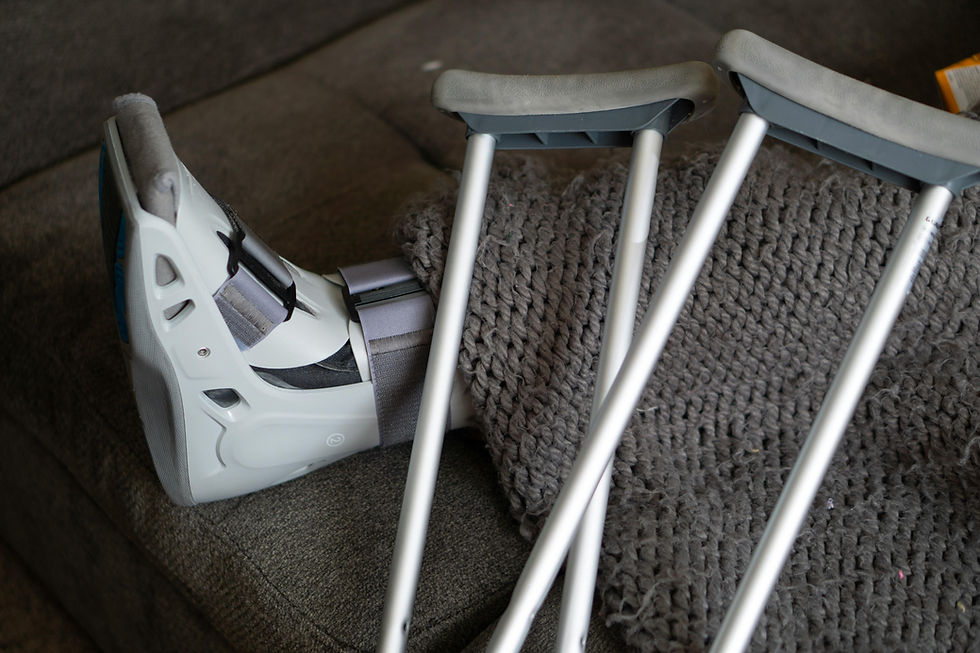
Image by Oliver King / Pexels
Get Medical Care And Lock In Records Early
See a clinician as soon as you can, even when pain feels mild during the first day. A treatment note ties symptoms to time, place, and cause, which supports later questions well. Ask for copies before you leave, and store them in one folder with receipts attached.
If the injury happened at work, report it through your workplace process as soon as you can. In Australia, Safe Work Australia explains what workers should do after an injury, including reporting, recording, and getting medical support.
Write a short record the same day, while your memory still feels clear and steady. Keep it factual, and note weather, lighting, surfaces, and any warning signs you saw nearby. Add names, phone numbers, and witness notes, then back up photos in cloud storage that tracks dates.
Use a simple checklist and keep each item in the same dated folder for quick access:
Photograph the scene from several angles, showing hazards, warning signs, and the nearest street or building label.
Save messages, receipts, and calendar entries that show where you were and when.
Track symptoms each day in plain language, and note sleep, medication timing, and limits on movement.
Report The Incident In Writing And Keep Copies
Report the incident through the channel that matches the place where it happened that day. If it was campus housing, request the form link, and ask for a copy after submission. If it was a business, record the manager name, the time, and the exact location.
Do not rely on a verbal chat, even if staff sound friendly and ready to help. A written report creates a timestamp, and it reduces disputes about what people recall later. Send follow up emails that restate facts, and attach photos if the recipient can accept them.
Keep your documents simple, and separate facts from feelings in each message you send out. Use a line like: I fell at 7:40 pm near the west entry ramp, then stop. If you do not know a detail, say so, and note what you plan to confirm next.
A tidy claim file often includes three core sets of records that are easy to review later. 1) Keep a one page timeline with dates, times, and who you spoke with, updated after each call. 2) Save bills, pharmacy receipts, and transport costs, grouped by month and stored as one PDF. 3) Store screenshots of texts and emails as images, with filenames that start with the date clearly.
Know Deadlines, Liability, And What You Must Prove
Many claims turn on deadlines, so write down the injury date and set reminders early. Limits differ by place and claim type, and missing them can end a case fast. If unsure, read a definition of statutes of limitations to frame timing.
Liability means showing that another party failed to take reasonable care in the same setting. That can involve an owner who ignored a spill, or a driver who broke road rules nearby. Your notes and photos help show what a careful person would have fixed or avoided.
Causation is the link between the event and symptoms, not a bad week later for you. Medical notes help here, because they show timing, findings, and treatment plans over time clearly. Explain gaps in care, since delays can raise doubts about what caused pain or limits.
Damages cover losses tied to the injury, and they must be backed by records you keep. This can include medical costs, lost income, future care needs, and other direct expenses you paid. Use a spreadsheet to track totals, but keep the source document for every line you enter.
Be Careful With Insurers, Social Posts, And Early Offers
Insurers may call quickly, and they may ask for a recorded statement during the first week. You can ask for questions in writing, and you can request time to review notes. Answer only what you know, and avoid guessing about speed, distance, or who caused what.
Be careful with social posts, because photos and captions can be read out of context later. A smiling picture at a party can look like full recovery, even if pain followed after. Set accounts to private, but still assume screenshots can travel well beyond your friends list.
Early offers can feel like relief when rent, tuition, and bills hit at once for students. Yet a quick settlement may not cover follow up care, rehab, or time off work later. Before you accept, compare the offer to your documented costs and expected treatment plan ahead.
If you receive forms, read each permission line, and keep a copy of what you sign. Broad medical releases can open records that have nothing to do with the injury event. Ask for limits by date range and topic, and keep your request polite and plain.
If You Need Advice, Bring A Clean File
A good consult starts with a clean packet that lets an adviser see the timeline fast. Bring incident notes, photos, reports, and medical records, plus a full expense list for review. Include wage records if you missed work, and include your class schedule if coursework suffered.
Use your first call to ask process questions, not to retell the story in full detail. Ask how fees work, how long steps tend to take, and what you should stop doing now. Also ask what facts could weaken your claim, so you can address gaps early on.
If you are studying abroad, confirm which local rules apply and where the claim must be filed. For students on the Gold Coast, local counsel can help with forms, deadlines, and insurer contact. Wherever you are, choose someone who explains steps plainly and keeps notes you can review later.
Keep the focus on records, deadlines, and steady follow up, not on instant outcomes today. Your best position is a clear file that matches medical notes, receipts, and a simple timeline. With that base, you can make calm choices and reduce costly errors during recovery now.