


How Smart Water Planning Improves Home Design and Functionality
If you’re planning a home, landscape, or major renovation in Naples, FL, your water source affects more than utility bills. Factors such as lot size, irrigation needs, seasonal rainfall patterns, and local permitting requirements all influence whether a private well is a practical option. Beyond installation, homeowners should also consider pump performance, water quality, long-term maintenance, and how the water system fits into the property's overall design.
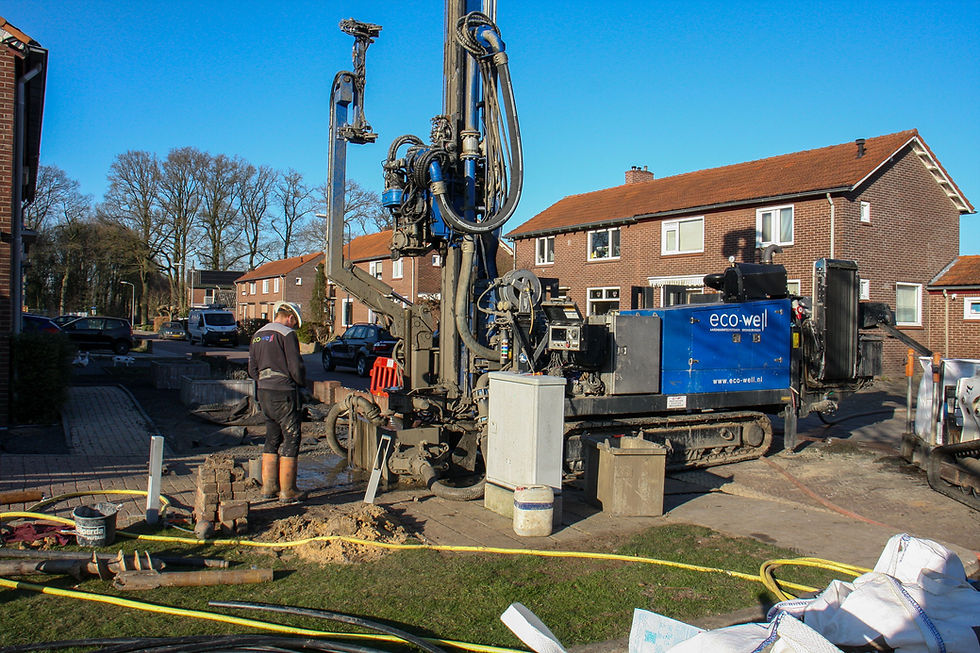
Image by Freek Wolsink / Pexels
Why water planning matters in the early design stage
Homeowners often overlook water infrastructure during the initial stages of home construction or renovation. However, water supply decisions influence several important aspects of property design, including irrigation systems, landscaping, drainage, and long-term operating costs. Addressing these requirements early allows homeowners, builders, and landscape architects to coordinate their plans and avoid unnecessary complications.
A private well can be especially relevant on larger lots with extensive turf, palms, privacy hedges, or garden beds that need steady irrigation. Municipal water can handle those demands, but the cost profile looks very different over time. Early planning also helps you avoid awkward retrofits, such as trenching through finished landscape work to add a pump line later.
Key factors to consider when choosing a private well system
Most people are not looking for a complicated mechanical setup. You usually want reliability, stable pressure, and enough output to support irrigation without constant adjustments. Factors such as property size, landscape design, seasonal weather conditions, and water demand play an important role in determining the most suitable setup.
Private wells can support irrigation for properties with extensive lawns, tropical landscaping, and ornamental garden beds that require regular watering.
Professional well installation services can help homeowners evaluate site conditions, identify suitable drilling locations, and select proper equipment. Local expertise is particularly valuable because groundwater availability, soil conditions, and permitting requirements can vary between properties. Homeowners considering water well drilling in Naples, FL should assess these factors before installation to ensure the system supports their landscaping goals and long-term maintenance requirements.
Site conditions can make or break the project
Not every lot presents the same drilling and installation picture. Soil composition, access to the drilling area, existing utilities, setbacks, and local permitting requirements all influence feasibility. In Naples, coastal conditions and groundwater considerations add another layer that you should not ignore.
This is where homeowners often underestimate the value of a proper site assessment. A clean, minimalist yard on a design board may hide practical obstacles in the field, such as limited equipment access behind walls, mature trees in key locations, or conflicts with septic placement. These details affect installation logistics and project cost.
You also need to think about how the well and pump infrastructure will sit within the finished property. Placement also plays a key role. The system should operate efficiently while integrating seamlessly into the property’s layout without disrupting walkways, pool areas, outdoor entertainment spaces, or the overall landscape design.
How Reliable Irrigation Supports Better Landscape Design
If you care about outdoor design, water access shapes what you can maintain consistently. It is one thing to install a lush planting plan. It is another to keep it looking healthy through dry stretches without flinching at every irrigation cycle. A well-fed irrigation system gives you more flexibility when choosing plant density and coverage.
Consistent irrigation also helps preserve the appearance and functionality of residential landscapes. Healthy lawns, well-maintained hedges, and properly watered plants contribute to a property's overall appearance and complement its architectural design. Without adequate irrigation, plants may experience water stress, uneven growth, and deterioration, which can affect the results of landscaping investments.
Private wells can support larger irrigation systems when homeowners combine them with appropriate zoning, pressure regulation, and modern irrigation controllers. These features help distribute water according to the needs of different landscape areas while reducing unnecessary consumption. Proper irrigation management also prevents overwatering, which can damage plants and create drainage problems.
The Importance of Pump Performance and Regular Well Maintenance
Homeowners often focus on the drilling itself and skip over the equipment that determines daily performance. The pump, pressure controls, piping layout, and service access all influence whether your system feels dependable or frustrating. Homeowners should select equipment that matches their property's water requirements to maintain consistent pressure and adequate irrigation coverage. Improper pump sizing or pressure fluctuations can reduce system efficiency and affect the health of lawns, plants, and garden beds.
Regular maintenance also plays an important role in preserving the reliability and lifespan of private well systems. Homeowners should schedule periodic inspections, monitor pump performance, check pressure levels, and assess water quality when necessary. Routine maintenance helps identify potential problems early and reduces the risk of unexpected equipment failures or costly repairs.
Evaluate Installation Expenses properly
The cost of installing a private well represents only one part of the overall financial investment. If your property uses a large volume of water outdoors, long-term operating costs deserve equal weight. A private well can shift the economics of irrigation in a meaningful way, especially for homes with broad lawns or extensive planting.
Before investing in a private well, homeowners should compare initial installation expenses with projected operating costs. Important considerations include electricity consumption, routine maintenance, potential pump repairs, and the expected lifespan of major system components. Evaluating these expenses over several years provides a clearer understanding of the system's financial practicality and helps homeowners plan for future maintenance or equipment replacement.
Private wells may also influence a property's appeal to prospective buyers. A properly maintained well system can offer practical benefits by supporting consistent outdoor watering and potentially reducing municipal water expenses.
A well-planned system supports Long-Term Property Maintenance
The best home improvements tend to solve a practical need while making the property easier to enjoy. A well-planned system sits squarely in that category when it is planned carefully. You get infrastructure that can support irrigation demands, preserve landscape quality, and potentially reduce pressure on your water budget over time.
Homeowners planning construction, renovations, or outdoor improvements should evaluate how water infrastructure affects landscape design and ongoing maintenance. Factors such as plant selection, irrigation coverage, pump performance, and water efficiency influence the overall effectiveness of the system. Coordinating these elements helps homeowners avoid unnecessary modifications, manage operating expenses, and maintain attractive outdoor spaces. A successful home improvement project requires attention to both visible design features and essential infrastructure.