


How Rooftop Design Shapes Your Race Day View in Miami
Updated: May 12
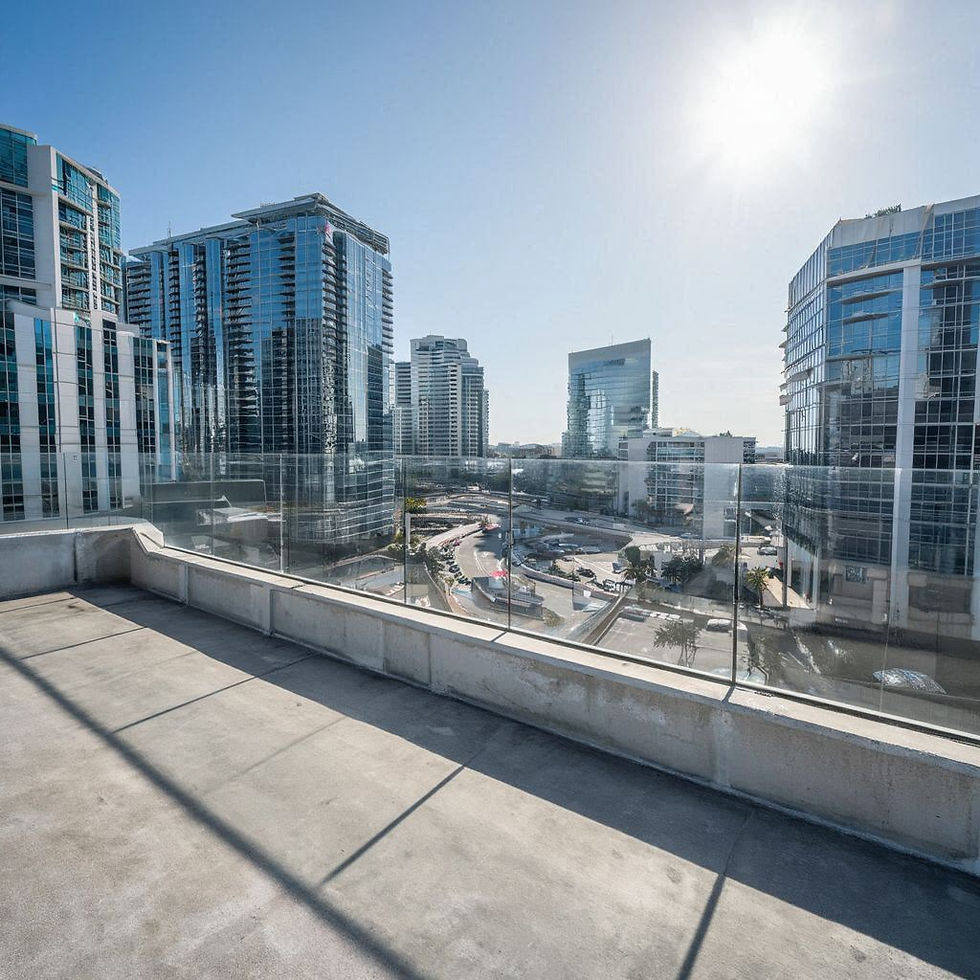
You can spend thousands on a rooftop ticket in Miami and still miss the best overtake of the day. The difference often comes down to design details most people never notice. Parapet height, HVAC placement, drainage slope, and surface glare shape your race-day experience.
Rooftop Design And Sightlines In Miami
A rooftop edge might look sleek from the street, but parapet height directly affects what you can see. Too high, and tight corners disappear. Too low, and guardrails slice through your sightline at the worst moment.
Smart rooftop design balances safety rules with geometry. The angle from your eye level to the track must clear the parapet and any safety glass, so designers study viewing cones instead of just square footage.
Mechanical equipment matters. Rooftop units should be screened and integrated into the architecture, not scattered across prime viewing zones. When HVAC curbs and vents sit in the wrong place, they block views and disrupt crowd flow.
If terms like curbs, membranes, or scuppers sound unfamiliar, the RoofSnap roof components guide explains how modern roof assemblies are built. It shows what sits beneath rooftop decks and mechanical units, helping readers see why some layouts protect views while others compromise them.
Heat, Glare, And Cross-Breeze Matter More Than You Think
Miami heat is relentless during race weekends. Research shared by GAF shows that temperature and moisture management are central to roof performance. For you, that means the difference between a rooftop that radiates heat and one that feels manageable.
Reflective coatings can reduce heat absorption, but they can also create glare. When sunlight hits a bright membrane at the wrong angle, it strains your eyes just as cars reach top speed.
Cross-breezes are often overlooked. Open parapet sections, smart vent placement, and clear pathways between structures allow air to move instead of trapping heat. Good ventilation can turn a sweltering rooftop into a comfortable viewing deck.
Drainage Slope And Post-Shower Puddles
South Florida showers move fast and leave quickly. What happens next depends on the slope. Industry standards referenced by Construction Specifier note that low-slope roofs are typically designed with a minimum one-quarter inch per foot pitch to promote drainage.
That slope determines whether water disappears or lingers. Ponding water that remains beyond 48 hours is widely recognized in roofing practice as a warning sign. Even short-term pooling can create slick patches during an event.
When evaluating a race-day rooftop, focus on:
Parapet height relative to seated and standing eye level
HVAC placement and screening near viewing zones
Surface finish and clear drainage paths after rainfall
Why Rooftop Design Shapes Your Race Day View In Miami
Race day should deliver sharp views, clear sound, and energy that keeps you locked into every turn. Rooftop design can elevate that experience or ruin it with blocked sightlines and harsh glare. If you are selecting a venue or scouting the perfect vantage point, look past décor and ticket tiers and examine the roof itself.
Read more at Miami Living Magazine or share your thoughts below.