


How Miami's Late-Night Food Scene Turned Gummies Into a Dessert Course

Image by DepositPhotos
It's 11:40 on a Thursday in Brickell, and the line at the gelato counter is eight people deep. Two blocks over, a smaller crowd is doing something similar at a hemp shop counter, picking flavors the way you'd pick a pastry. That shift is the whole story. Miami didn't adopt gummies as a wellness chore. It absorbed them into dessert culture, which means the rules people use to buy them here look a lot more like pastry rules than pharmacy rules. If you want to understand why your out-of-town friends keep asking what to buy, you have to start with how this city eats after dark.
I've lived here long enough to watch the transition happen in real time, and I'll say the unpopular thing: most gummy packaging is designed for tourists, and most tourists buy badly. Here's how locals actually think about it, plus a buying routine you can use anywhere.
Why dessert culture, not supplement culture, shaped the Miami market
Walk through Little Havana after nine and count the window counters still lit up. Walk through Wynwood and count the places selling something sweet after the galleries close. Miami's relationship with late eating is old and structural, shaped by a subtropical schedule where the pleasant hours come after the sun gives up. Heat pushes the day's social life into the evening, and evening social life in this city has always included something sweet to close it out. That matters for product selection. When sweets are the reference point, people judge a gummy on mouthfeel, flavor honesty, and how it sits alongside coffee or a nightcap. Nobody asks the person behind the counter about a certificate of analysis while holding a dulce de leche cone. They ask what tastes good and what won't wreck their sleep.
The historical roots here are worth noting because they explain the intensity of local food culture. The Library of Congress documents Miami's twentieth-century growth as a genuinely multilingual city, and food traditions arrived with those communities rather than being imported by marketing departments. Dessert got serious here because the people who moved here took it seriously.
What actually changes when you treat a gummy like a dessert
Portion discipline flips. A supplement mindset says take the same thing daily at the same time. A dessert mindset says this is an occasional treat with a beginning and an end, which is honestly a healthier frame for anything with psychoactive compounds in it. You pick an evening. You pick a flavor. You don't stack it on top of three other things. Timing becomes part of the experience. If you're eating a gummy at midnight, you're signing up for a late night. That single fact should drive everything else you decide, including whether you have anywhere to be at seven in the morning.
Flavor stops being decoration. In a dessert city, a bad flavor is a dealbreaker, not a footnote. I've watched people put back a jar because the mango smelled artificial, and I think that instinct is correct. If the flavoring tastes like a gas station slushie, the manufacturer probably cut corners in other places too.
The labeling habit that Miami buyers picked up from coffee culture
Coffee people read roast dates. Wine people read vintages. Miami gummy buyers, increasingly, read the ratio. That's the number that tells you how a product will actually feel, and it's the number most packaging buries in small type at the bottom of the back panel.
Here's the practical version. Look for the milligram figure for each active component separately, not a combined total. A product that lists one big number and calls it a day is telling you the maker either doesn't know or doesn't want you to know. Either answer should send you to the next jar.
This is the one area where the market punishes vagueness harder than it punishes price. If you're shopping for thc cbd gummies, the ratio is the entire decision. A low-ratio product is a wind-down product. A high-ratio product is an evening-blocker. Same shelf, wildly different nights.
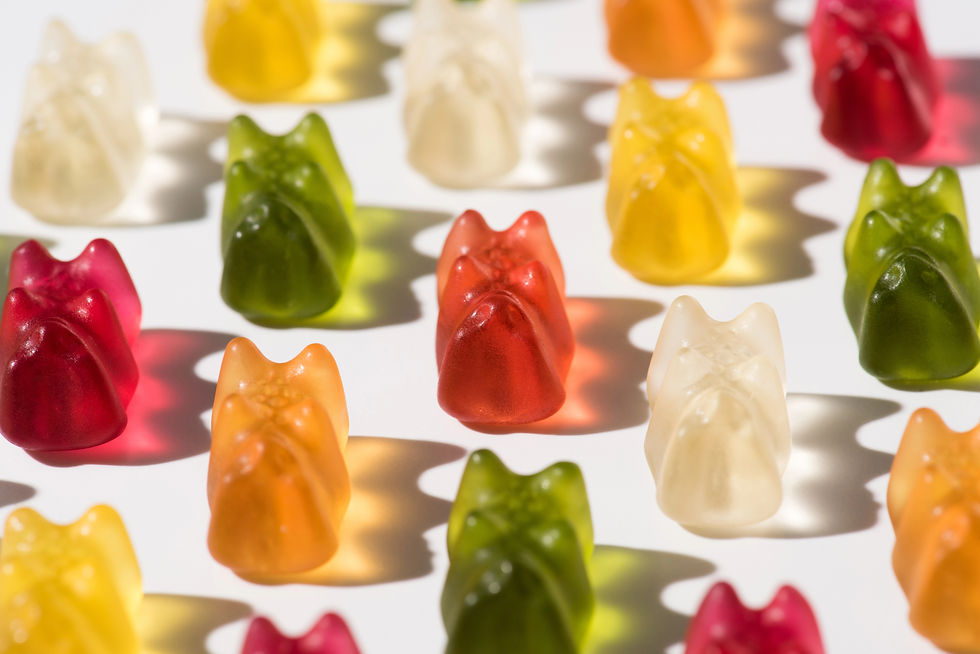
Image by DepositPhotos
A five-step routine for buying gummies without guessing
Decide the occasion before you shop. Wind-down at home, a dinner party, or a night out are three different purchases. Buy for the one you're actually doing this week, not the one you do once a year.
Read the panel for separate numbers. Two distinct milligram figures, clearly labeled. If you can't find them in thirty seconds, put it down.
Buy the smallest pack first. A five or ten count tells you everything a thirty count would, for a fraction of the money. Nobody's first jar should be a commitment.
Start at half. Cut it if it's scored. Wait a full two hours before deciding anything. This is the step people skip and it's the only one that really matters.
Write down what happened. Seriously. A note on your phone with the brand, the ratio, and one sentence about how it went. Three notes in, you'll know your own number better than any budtender does.
I'd add a sixth if you'll allow it: buy from a shop where the staff ask you questions back. A counter person who just hands over whatever's on the top shelf isn't doing the job. The good ones will ask what you're doing that night and steer you accordingly.
Storage, because Miami is genuinely hostile to gummies
This is the local problem nobody warns newcomers about. Humidity here is not a minor inconvenience. It's a structural fact of life, and it does real damage to anything sugar-based or gelatin-based left in a warm car or a steamy kitchen drawer.
A sealed jar in a cool, dark cabinet is fine. A ziplock in a glove compartment in August is not. If your gummies fuse into a single block, you didn't get a bad batch, you got a physics lesson. The National Park Service maintains climate and weather resources for the region if you want the underlying explanation for why this happens so aggressively here. The short version is that your kitchen has a monsoon season. My rule: one jar open, one jar sealed, both out of the sun. Anything more than that and you're running a pantry, not a stash.
The social piece nobody puts on a label
Miami's dessert culture is social by default. Nobody eats flan alone at a counter, and nobody passes a jar around a table without it becoming a conversation. That's the real reason gummies took hold here faster than tinctures or capsules did. They're shareable. They fit a table. They come in flavors you'd actually offer someone.
Capsules are private and clinical. A gummy is a thing you hand to a friend and say, "try this one". That single design difference explains a lot about which product formats win in which cities, and it's why Miami skews toward the chewable version of almost everything.
According to the U.S. Census Bureau, Florida's population has grown steadily through domestic migration, which keeps refreshing the audience with people who arrive without local habits and pick up the ones around them. That's a decent mechanical explanation for why the dessert framing spread so fast. New arrivals copy what they see at the next table.
What I'd actually tell a friend visiting for the weekend
Skip the novelty flavors aimed at tourists. Go to a shop with actual staff, ask what ratio they'd hand someone who wants to sleep well and wake up fine, and buy a five count. Take half of one at nine on a night you have nowhere to be. That's the entire method, and it works whether you're in Miami or Michigan.
The city's contribution isn't some secret product. It's a stance: treat this like dessert, which means occasional, flavorful, portioned, and shared. That stance is more useful than any brand recommendation I could give you. So the next time someone hands you a jar at a dinner party in Coral Gables, you'll know exactly what questions to ask before you take one. What's your ratio, and what time is your morning alarm? Those two answers decide everything else.