


Brain Health & Aging Summit at Barry University Highlights Growing Public Health Impact of Dementia as Individuals with IDD Live Longer
- Apr 15
- 3 min read
Experts call for early detection, prevention, and cross-sector collaboration to address longevity outpacing cognitive and physical health
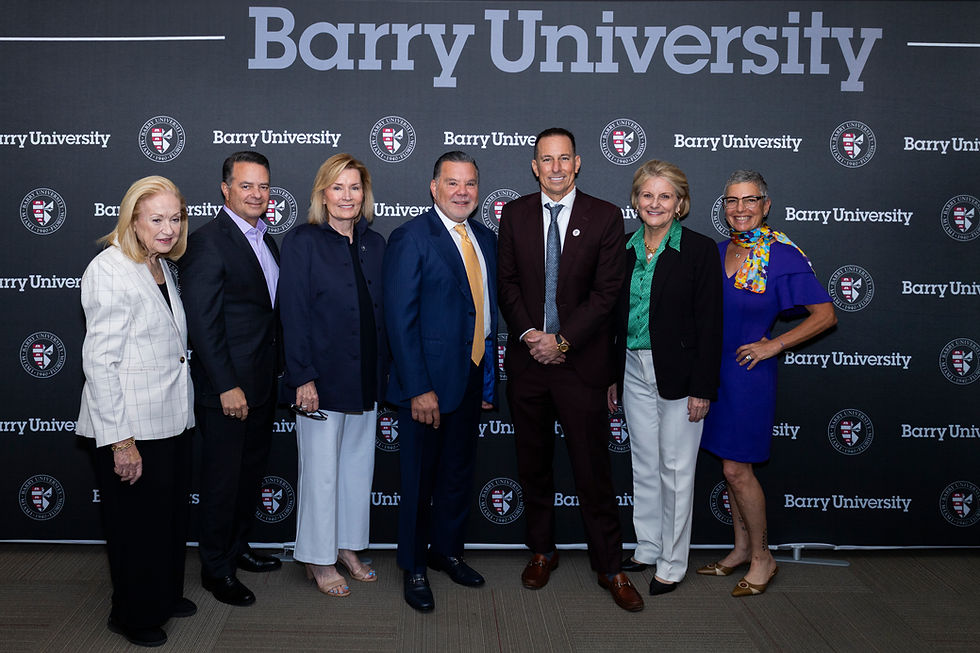
Barry University, in partnership with the Alzheimer's Association and Florida Community Care, convened healthcare leaders, researchers, policymakers, and community advocates on March 25, 2026, for the Brain Health & Aging Summit: Supporting Individuals with Intellectual and Developmental Disabilities (IDD), to address one of the fastest-growing public health challenges facing a vulnerable and often overlooked population.
Held at Barry University’s Miami Shores campus, the summit explored the growing intersection of aging, brain health, and intellectual and developmental disabilities, as individuals with IDD are living longer due to advances in medical care, civil rights protections, and improved social support. As longevity increases, the already elevated risk of Alzheimer’s disease and related dementias, estimated to affect up to 80–90% of individuals with certain IDD conditions, is becoming a growing public health challenge. Longevity is amplifying the societal impact, placing increased strain on caregivers and healthcare systems. Speakers emphasized that while risk remains high, modifiable lifestyle factors such as sleep, nutrition, exercise, stress reduction, education, and social connection can play a critical role in supporting brain health and improving outcomes.
The summit opened with welcoming remarks from Barry University President Dr. Mike Allen, who shared a personal reflection on his family’s experience with intellectual and developmental disabilities, underscoring the importance of compassion, awareness, and collaboration. The discussion was followed by a panel, “Perspectives on Aging with IDD,” moderated by Dr. Eneida Roldan, Executive Dean of Barry University’s College of Health Professions & Medical Sciences. The panel featured Dr. Christopher Weber, Senior Director, Global Science Initiatives at the Alzheimer’s Association; Dr. Seth Keller, Neurologist at Neurology Associates of South Jersey; Kali Wilson, Intellectual and Developmental Disabilities Comprehensive Managed Care (ICMC) Program Director for Florida Community Care; and Hillary Jackson, Southern Regional Operations Manager for the Florida Agency for Persons with Disabilities.

Experts highlighted the growing scale and urgency of the issue. Alzheimer’s and related dementias affect tens of millions worldwide, with new cases emerging every few seconds. In Florida alone, more than 600,000 individuals are living with Alzheimer’s disease, while families and caregivers provide more than 1.3 billion hours of unpaid care annually, placing significant emotional, physical, and financial strain on caregivers and the healthcare system.
“Alzheimer Disease and Intellectual Developmental Disabilities (IDD) impact the quality of life of millions around the world. The Brain Health and Aging Summit that took place at Barry University in collaboration with the Alzheimer Association and Florida Community Care confirms there is a path forward in prevention, diagnosis, treatment, and support services for patients, caregivers, and communities,” said Dr. Eneida Roldan, Executive Dean of Barry University’s College of Health Professions & Medical Sciences.
Speakers also discussed the paradigm shift and growing pipeline of potential treatments and therapies, with more than 150,000 therapies currently under development.

“The Alzheimer’s Association is committed to accelerating the global effort to eliminate Alzheimer’s disease. As both a catalyst and convener, we are bringing researchers together to accelerate discovery toward prevention, treatment, , and ultimately a cure. We are in the midst of a paradigm shift in understanding the biology of Alzheimer’s at the earliest stages of the disease, which will help clinicians identify the right tests at the right time and better prepare the healthcare system for what the patient journey will look like moving forward,” said Dr. Christopher Weber, Senior Director, Global Science Initiatives, Alzheimer’s Association.
“The Intellectual and Developmental Disabilities Aging and Dementia Summit was a tremendous success in bringing together Barry University, the Alzheimer’s Association, and community partners to focus on the growing needs of this population,” said Dr. Seth Keller, Neurologist, Neurology Associates of South Jersey. “This summit underscored the urgent need for continued focus, collaboration, and innovation to better support individuals with IDD as they age.”
“As individuals with intellectual and developmental disabilities are living longer, families are navigating challenges that the system was never originally designed to address,” said Kali Wilson, Director, ICMC Statewide Medicaid Managed Care Program for IDD. “We must build systems that support individuals with IDD not just to live longer, but to live well, with dignity, continuity of care, and meaningful community support.”
“As longevity increases for individuals with intellectual and developmental disabilities, we must ensure our systems evolve alongside them,” said Hillary Jackson, Southern Regional Operations Manager, Florida Agency for Persons with Disabilities. “Conversations like this summit are essential to aligning healthcare, social services, and community resources to better support individuals with IDD across their lifespan.”

The summit concluded with a call to action to strengthen collaboration across healthcare, research, and community organizations to advance brain health awareness, improve care systems, and support individuals with intellectual and developmental disabilities and their families. The event also included a resource fair featuring participating organizations, providing attendees with information, tools, and support services.