


August 13 in Miami History: Two Moments That Shaped the City
- 2 days ago
- 2 min read
I love discovering the little-known moments in Miami’s history, especially the ones that reveal how deeply the city’s story is connected to Cuba and the Caribbean.
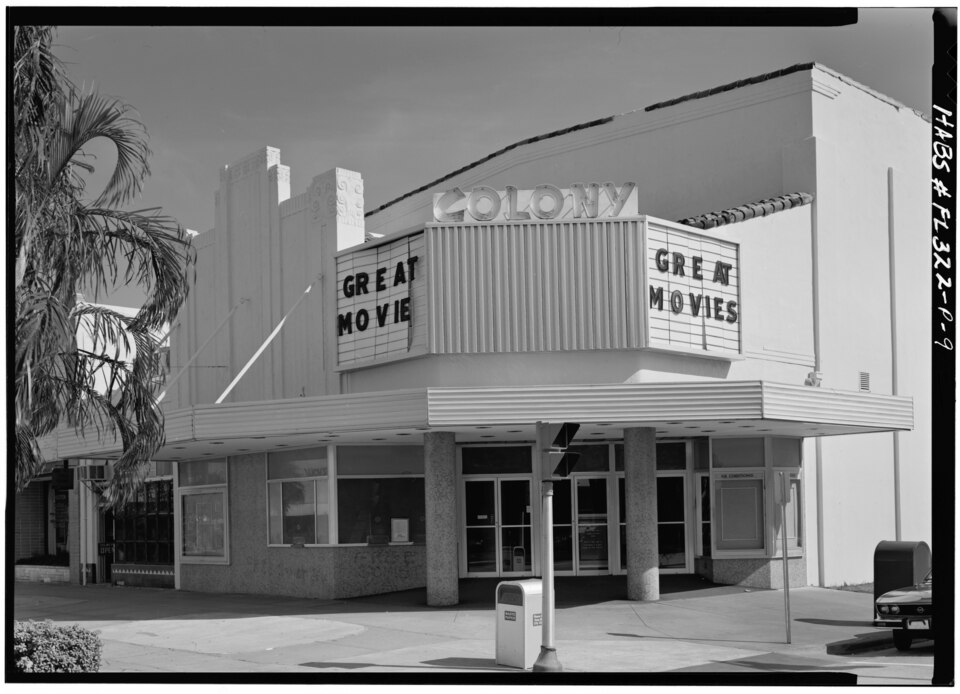
Colony Theatre on Lincoln Road Mall, Miami Beach, 1933
August 13 in Miami History
August 13, 1933: Cuba’s political upheaval reaches Miami
On this day, the dramatic collapse of Cuban President Gerardo Machado’s government was unfolding just across the Florida Straits. Machado, who had ruled Cuba increasingly as a dictator, had fled Havana the previous day as widespread unrest and violence swept the capital. His departure marked the end of a turbulent period in Cuban history and the beginning of another era of political instability. The events were felt immediately in South Florida, where Miami and Key West were already closely connected to Cuba through geography, trade and migration.

Image/President Gerardo Machado, Wikimedia Commons
Miami became a destination for people fleeing the upheaval
On August 13, the U.S. State Department received a telegram from Ambassador Sumner Welles in Havana concerning members of Machado’s family. A Cuban gunboat was transporting Machado’s wife, Elvira, along with several relatives and servants toward Key West. Welles requested that U.S. authorities provide facilities for their arrival and police protection as they traveled through Florida, specifically mentioning both Key West and Miami.
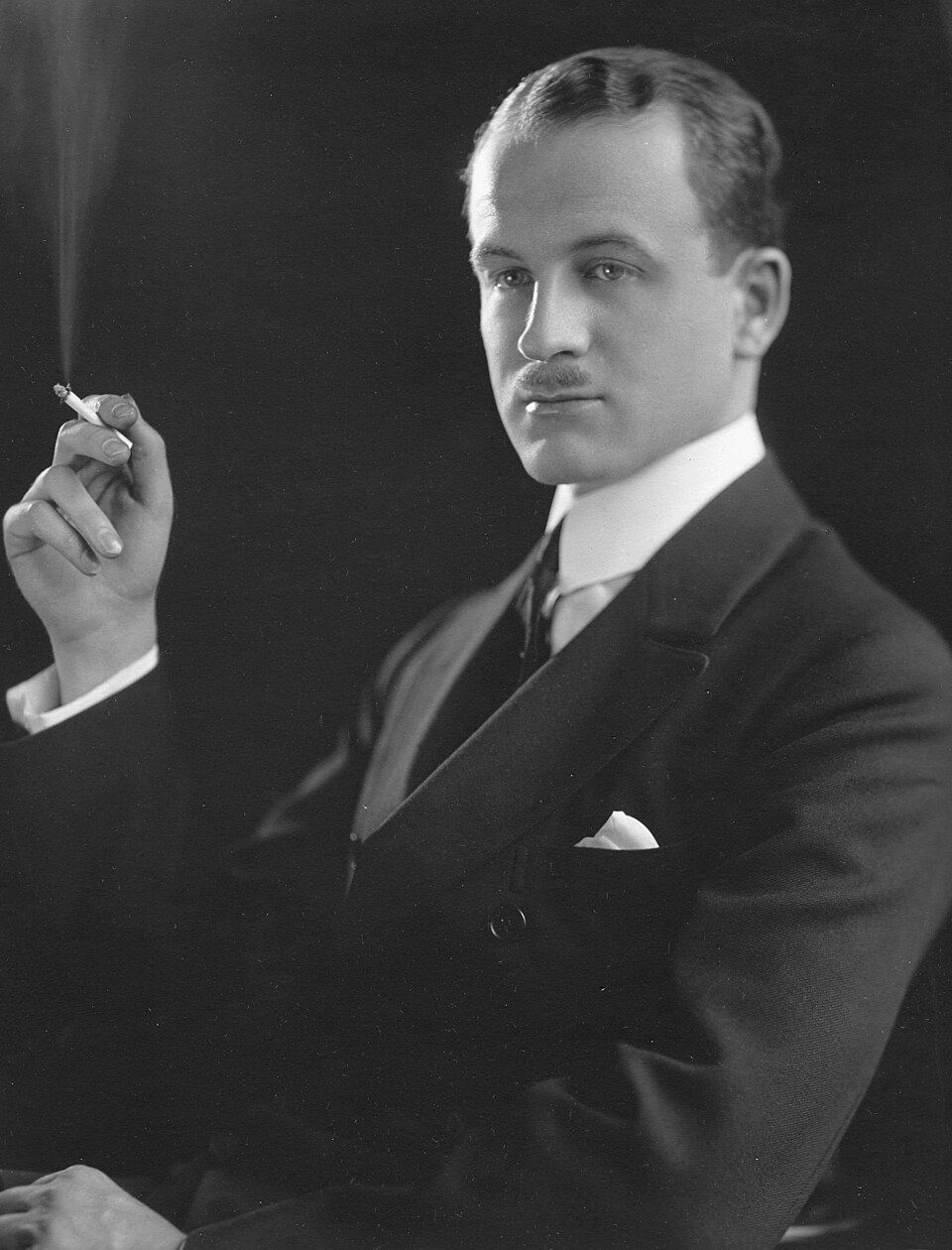
Photo/Sumner Welles (1892-1961) was a career diplomat and an influential foreign policy advisors of the 20th century. Photo/Franklin D. Roosevelt Presidential Library, Wikimedia Commons
The connection was even more dramatic with the arrival of Orestes Ferrara.
Ferrara, who had served as Machado’s Secretary of State, escaped Cuba aboard a Pan American seaplane after coming under gunfire. Contemporary reports described the aircraft as having been struck by bullets during the flight. When Ferrara arrived in Miami, he encountered a hostile crowd of Cuban exiles and supporters of the revolution. His arrival illustrates how Miami was already becoming a place where opposing sides of Cuban politics could collide.
Twenty-five years later, August 13 marked another important moment in Miami history.
On August 13, 1958, Pope Pius XII formally established the Diocese of Miami, creating a new Catholic jurisdiction covering 16 counties in South Florida. At its creation, the diocese had 51 parishes and approximately 185,000 Catholics. Bishop Coleman F. Carroll became Miami’s first bishop and was installed later that year.

Pope Pius XII established the Diocese of Miami in 1958. He named Auxiliary Bishop of Pittsburgh Coleman F. Carroll as the diocese’s first bishop. Ten years later Bishop Carroll became the first Archbishop of Miami. This photo is currently exhibiting in the museum’s permanent collection. Photo/Archbishop John C. Favalora Archive & Museum
The timing proved especially significant because Miami was about to experience enormous demographic change.
The new diocese expanded rapidly in the years that followed, with the number of parishes nearly doubling between 1958 and 1963. Much of that growth was connected to the arrival of Cuban refugees, along with Catholics moving to South Florida from other parts of the United States. The Cuban exodus would profoundly reshape Miami’s culture, neighborhoods, institutions and identity.